All About the Roses
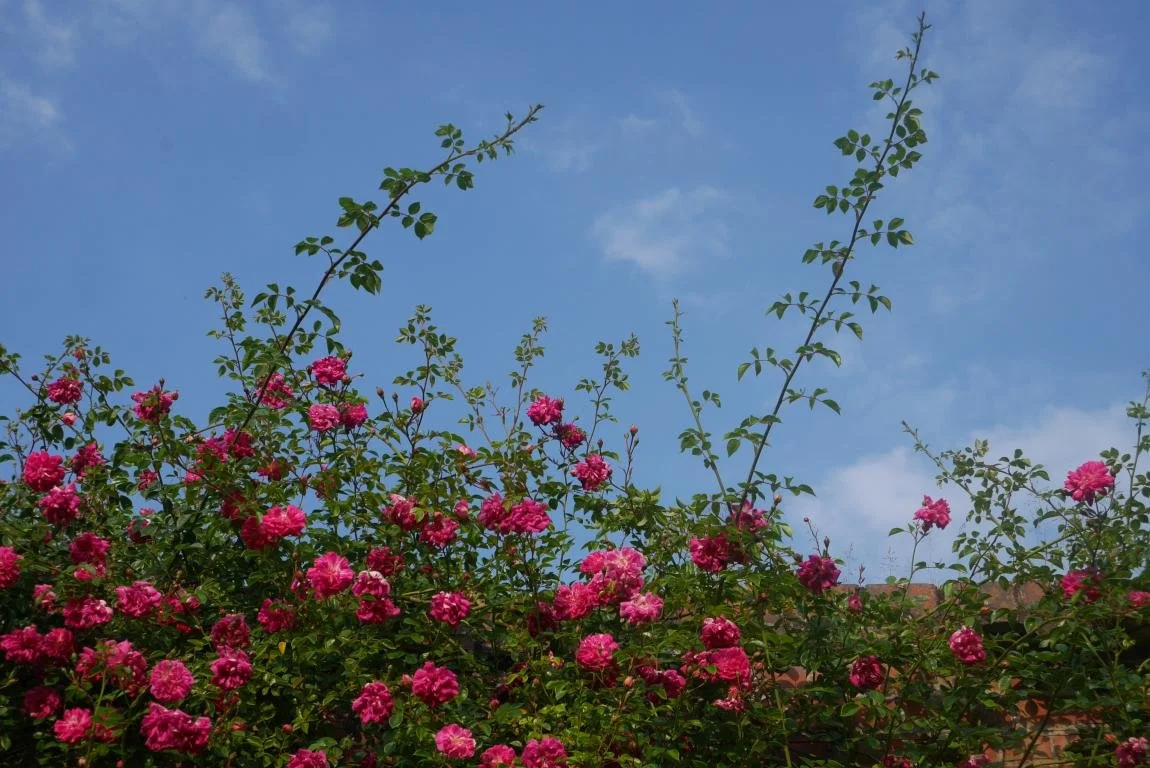
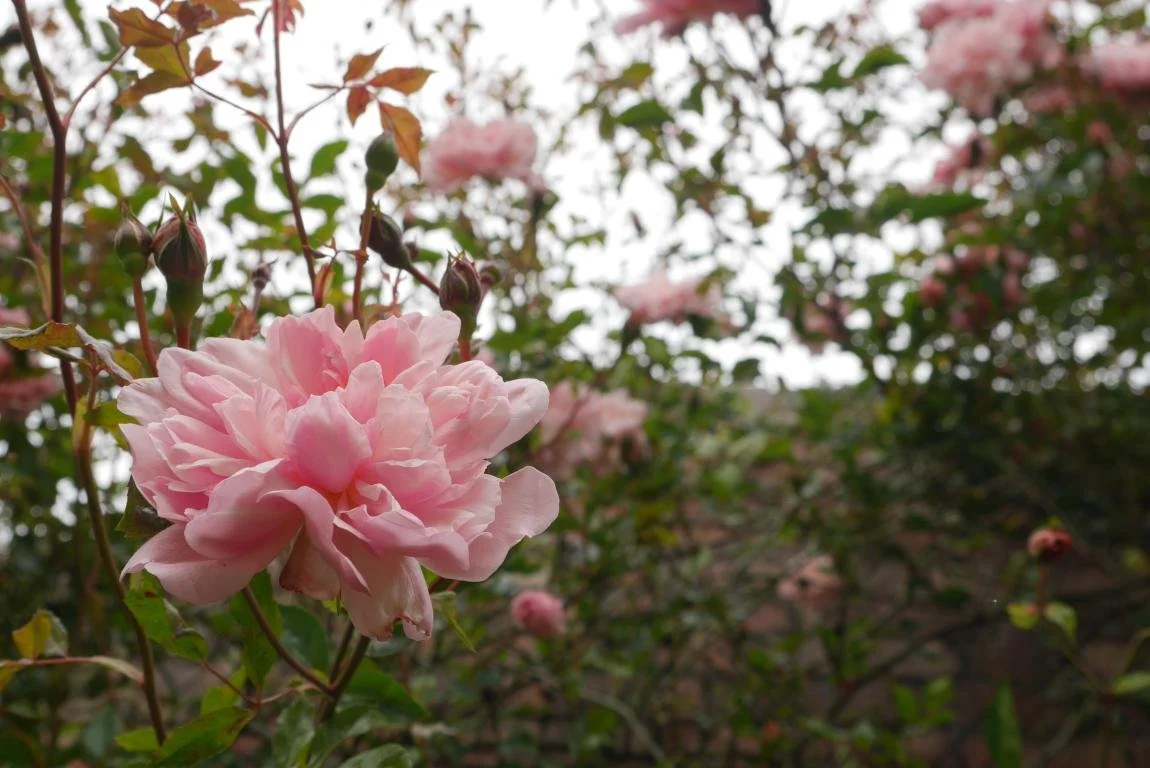
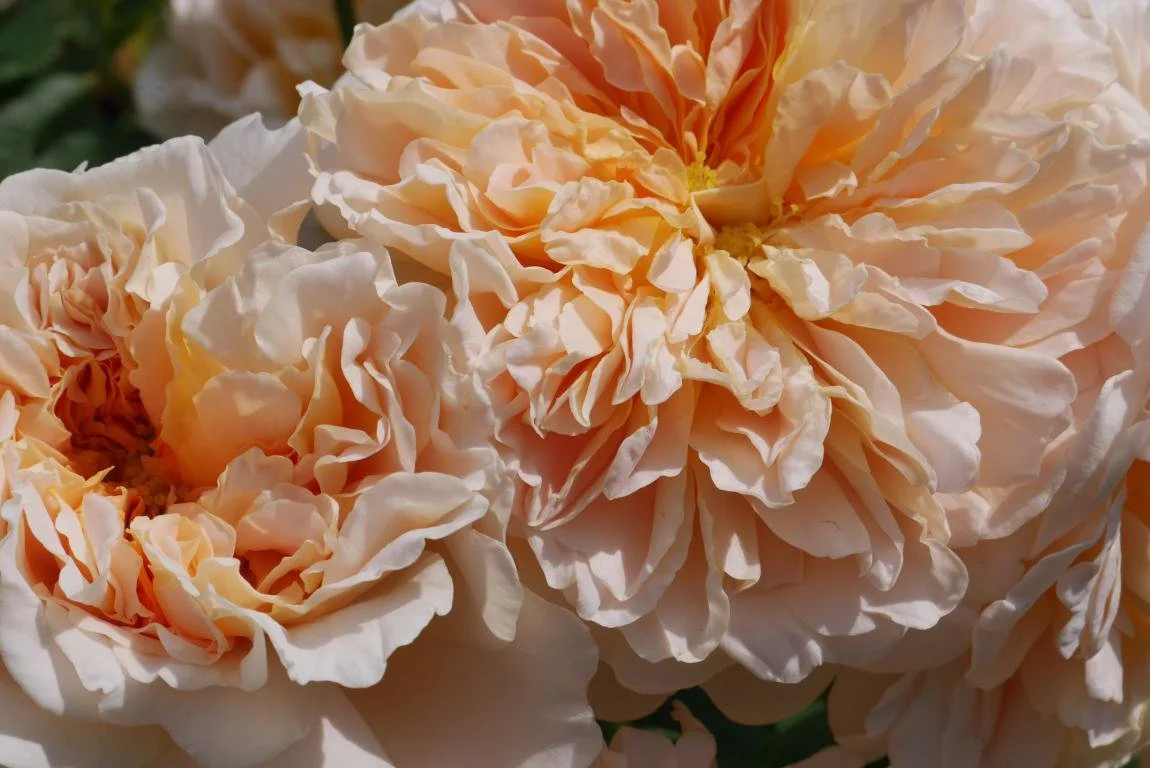
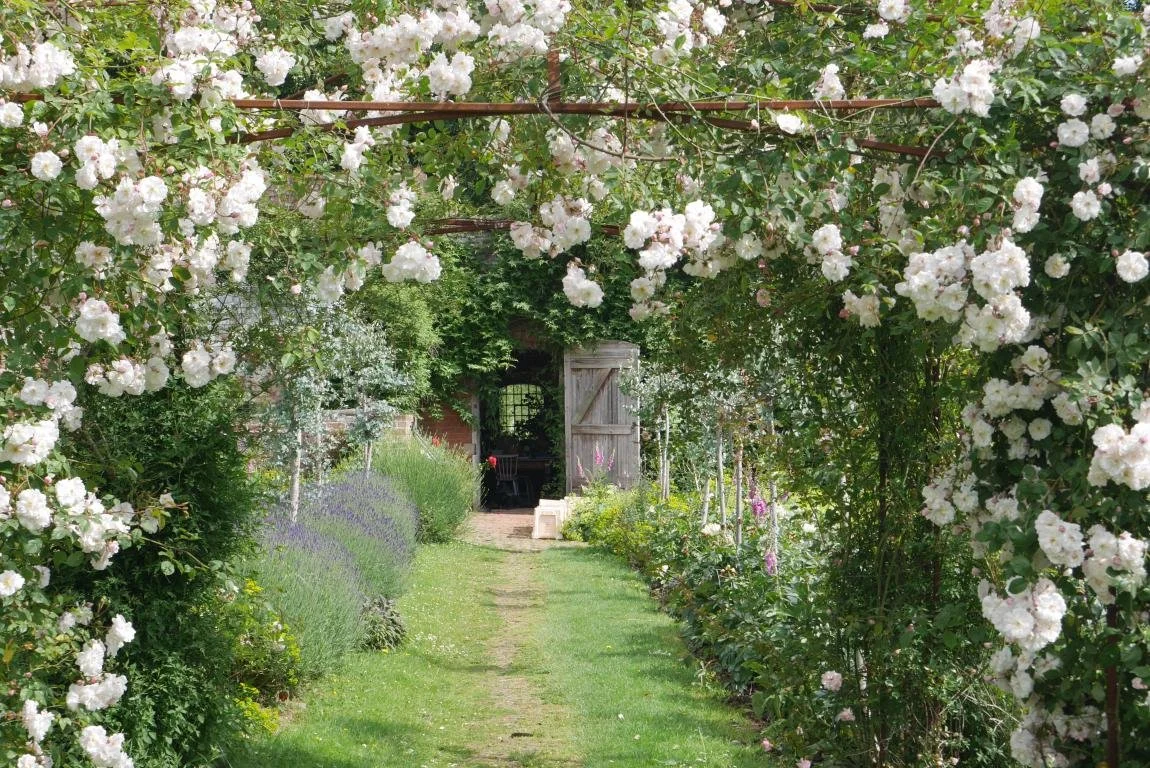
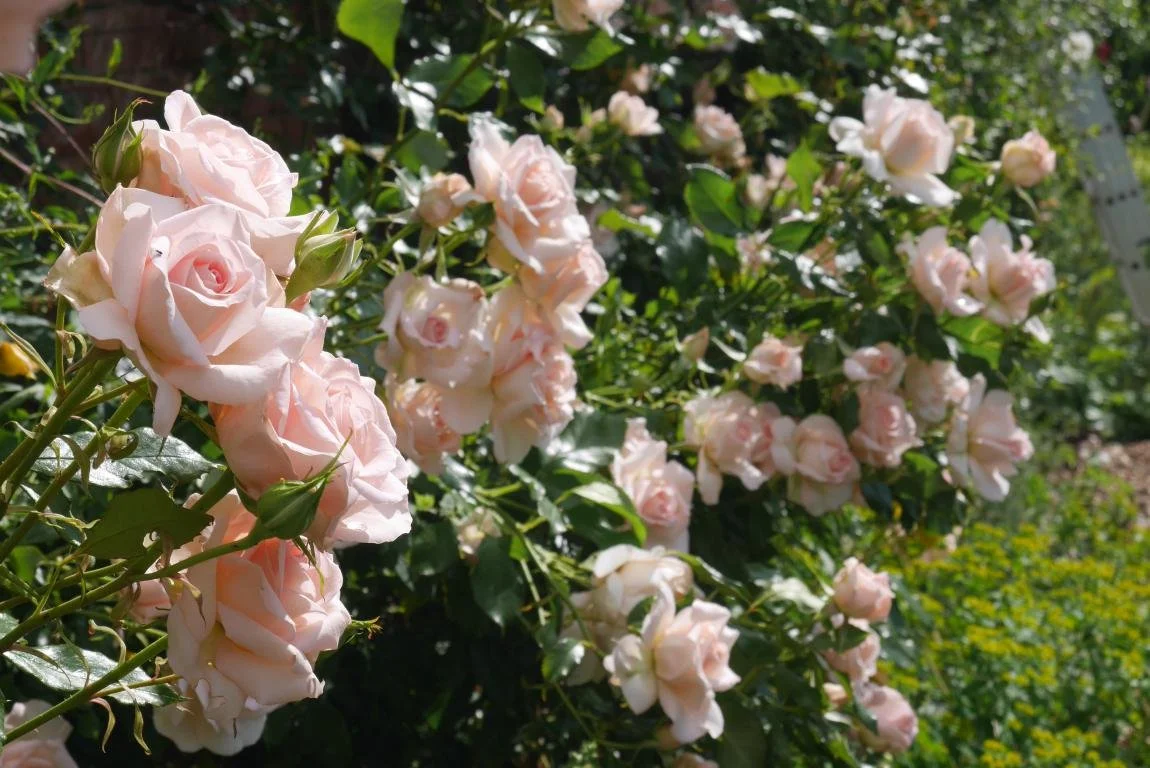
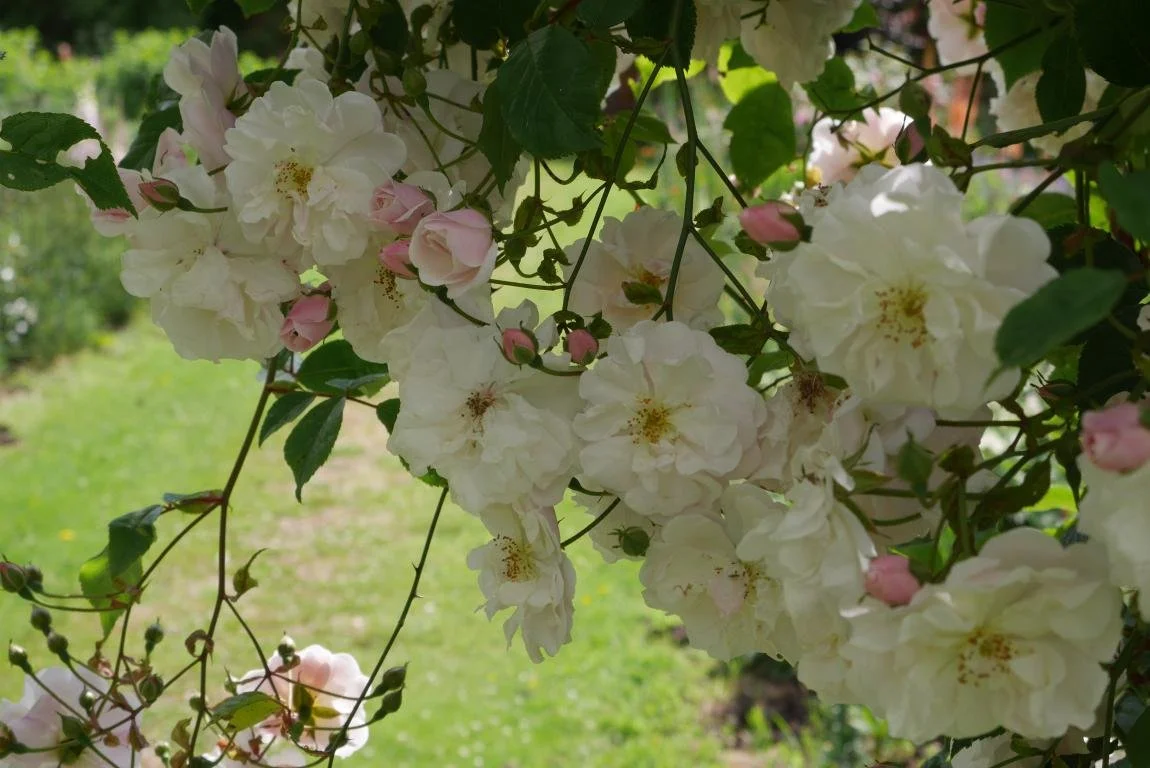
June is a month of roses for us, tumbling down from the high walls and surging up from the rich soil of the borders. We have decided that all varieties of roses make lovely subject for flower arrangements, but although every kind gives us joy when we pick it and bring it indoors, some are more useful for the flower grower and florist than others. Top of the list for florists clamouring to receive it in their deliveries from us is the very tall rambling rose ‘Climbing Cecile Brunner’. This massive plant, carrying exquisite dainty soft pink flowers, is the sport of a much smaller rose which was bred in 1881 by a widow named Marie Ducher, and officially introduced onto the market by her son-in-law. A rambling sport was discovered independently in California and in Australia a decade or two later. The original ‘Cecile Brunner’ is too tiny to pick much from, but the rambling form is extraordinarily strong and lusty, and positively requires to have long branches picked in order to keep it from making a massive woody tangle. The harvesting also promotes new fresh growth, so that the plant is always lovely. It also has a delicious, sweet fragrance, and lasts very well as a cut flower.
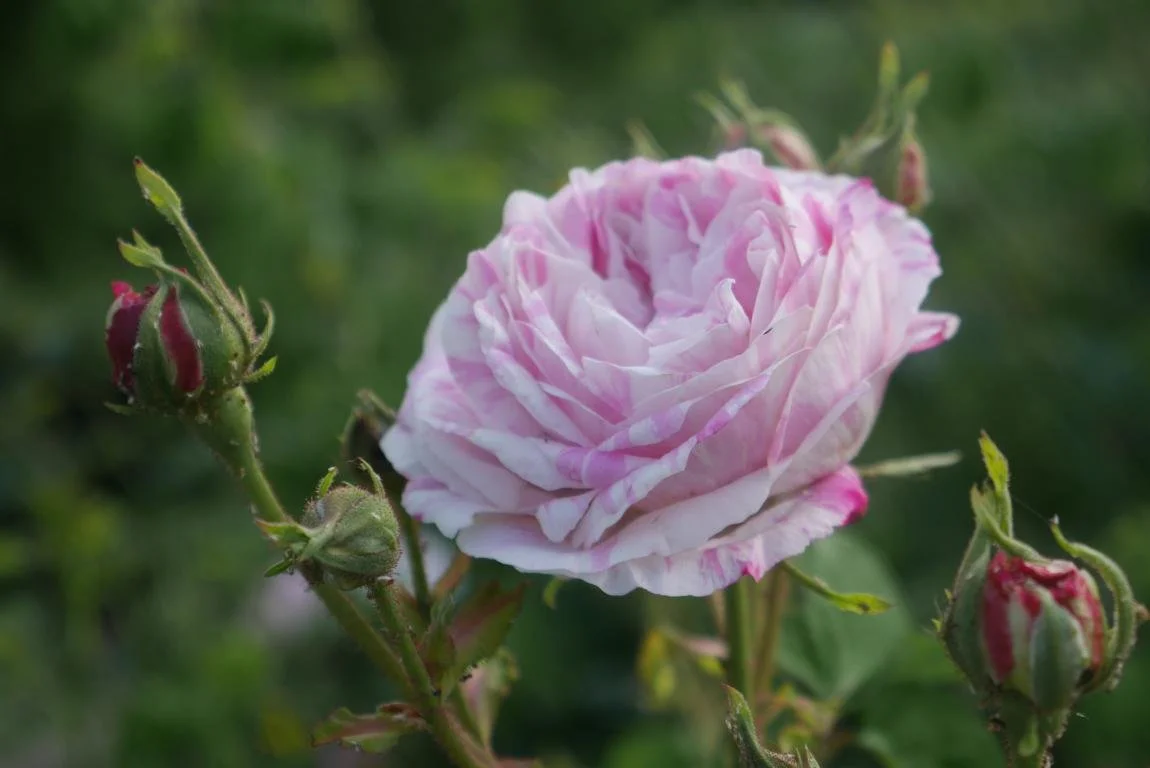
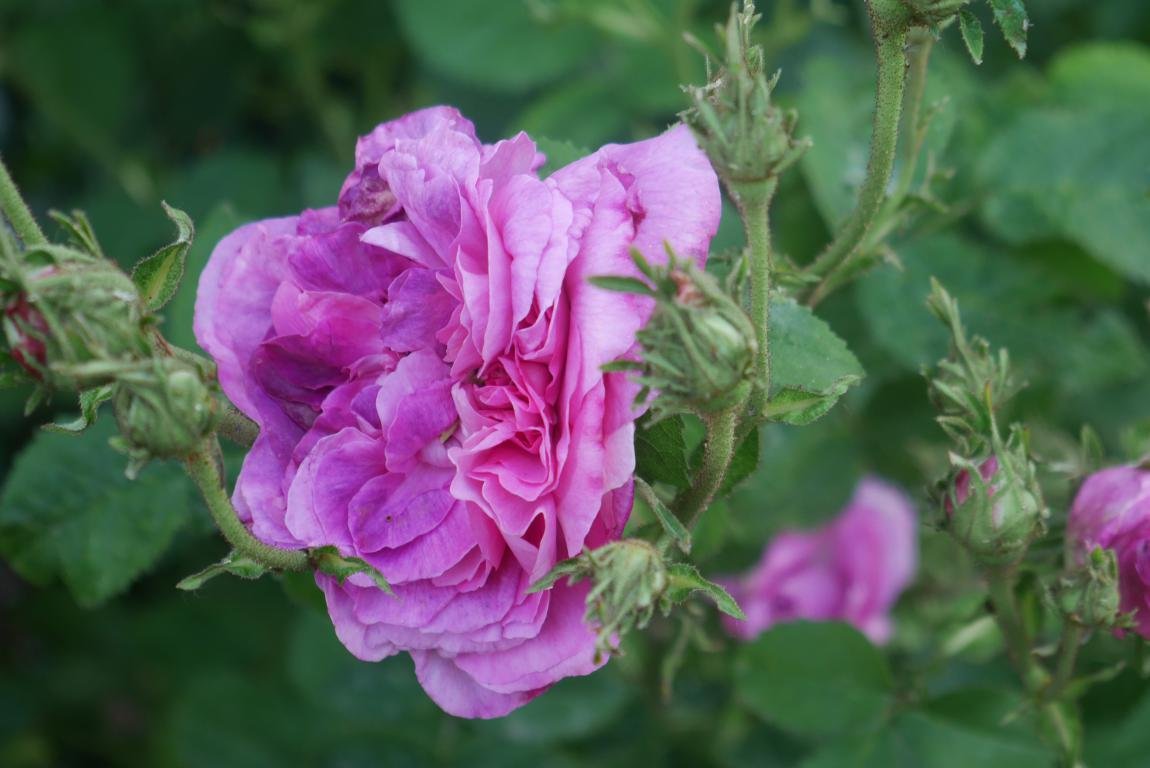
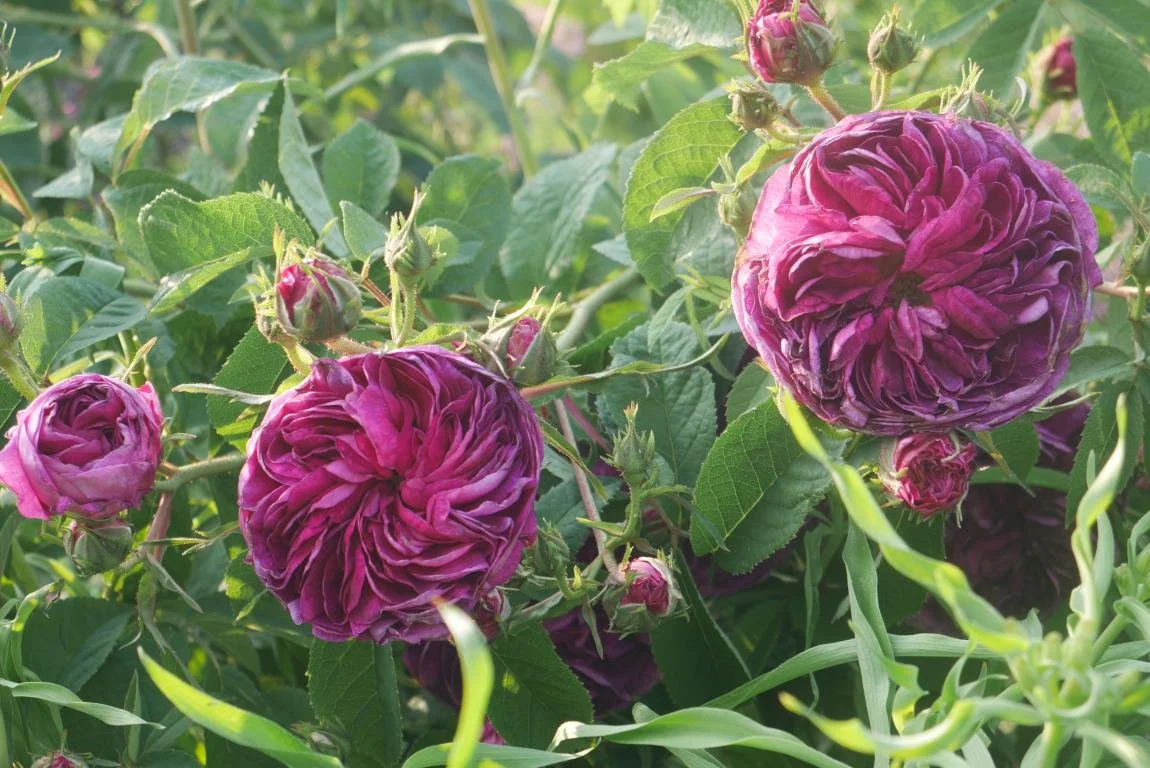
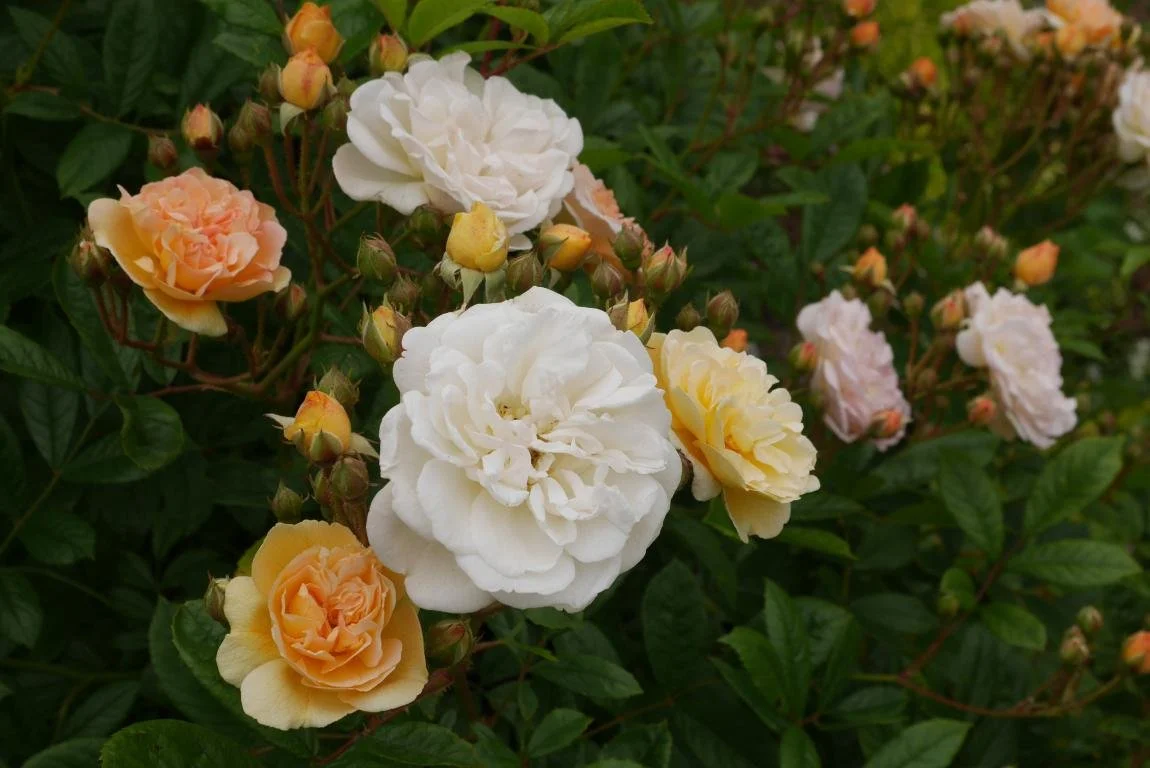
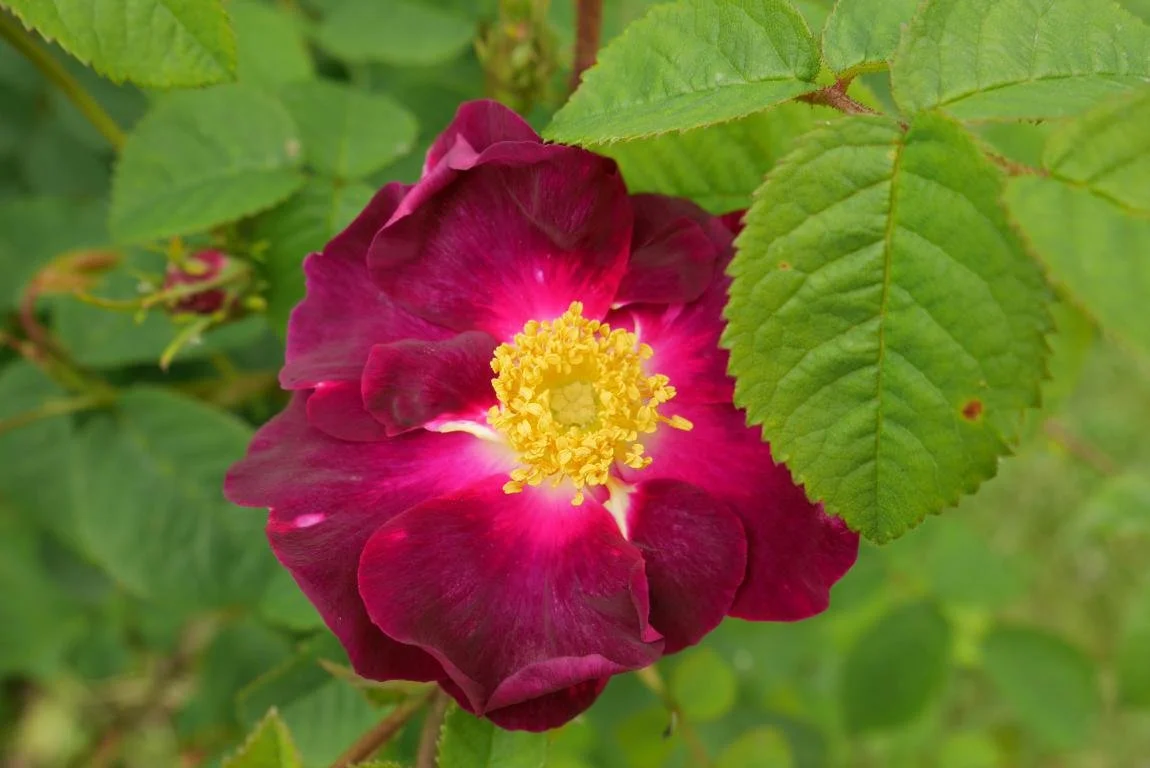
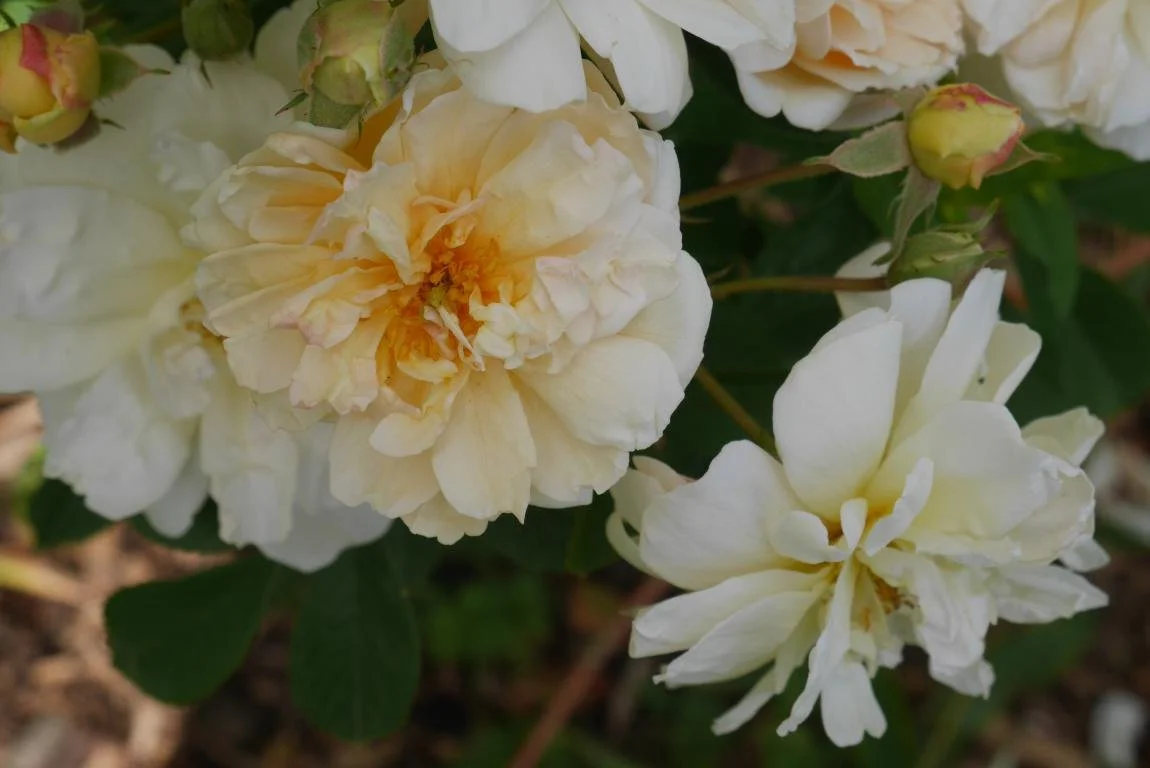
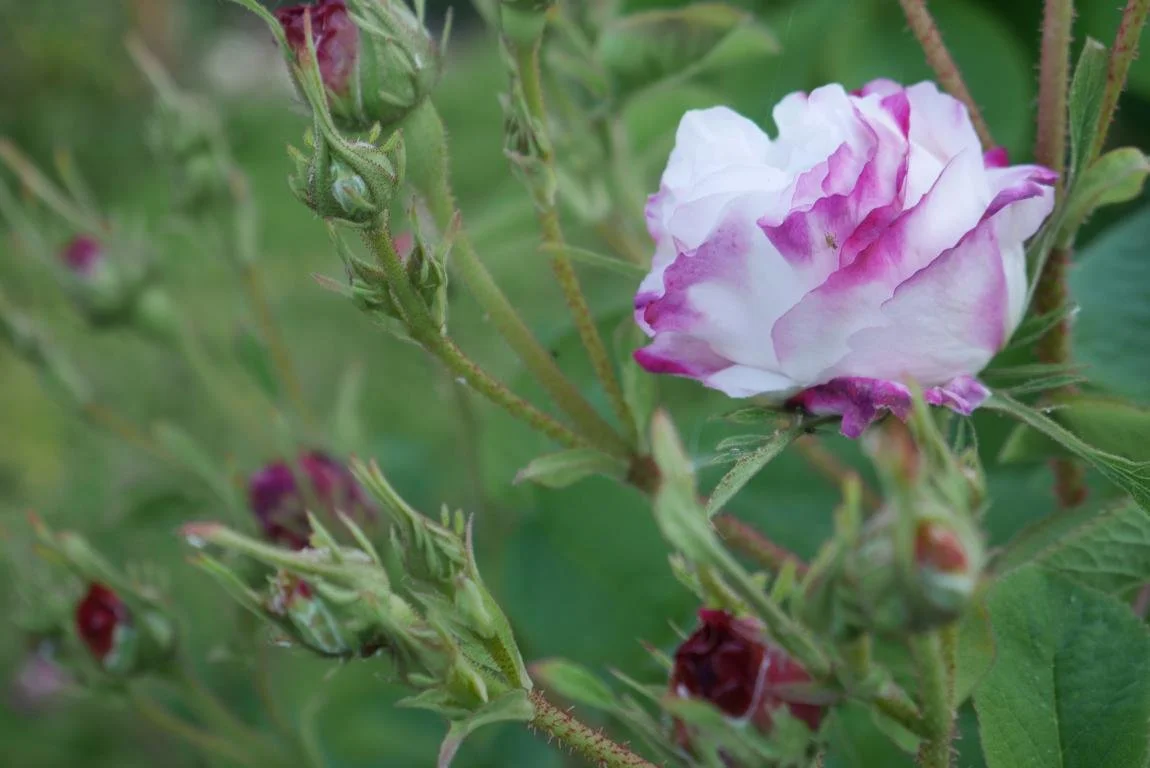
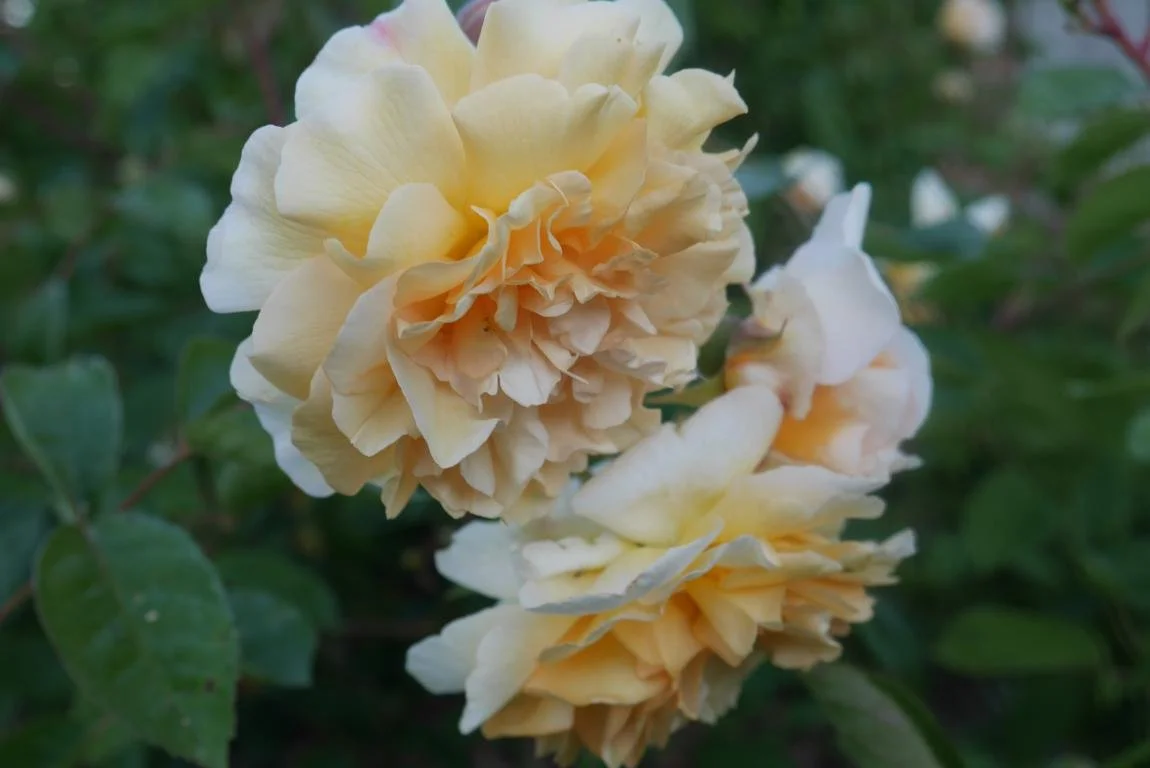
I’ve just realised that I am going to go on for way too long here, so I will briefly add that we also find it very profitable to grow ‘Tranquility’ for cutting - a long established glistening white large leafy shrub, bred by David Austin, which is hugely generous of flower, as well as ‘Ispahan’, an old Damask rose variety with an abundance of perfect pink flowers and, later in the season, wonderful soft upright foliage for picking. These three varieties are also exceedingly healthy. We are lucky in that we garden on very deep, rich quite heavy soil, and we do our best to increase the health of our roses by mulching the beds, interplanting the roses with a variety of perennial and annual plants (not too close!), and making sure that they are positioned to receive lots of light and air, as well as being careful to choose healthy varieties in the first place. Grow ‘Chandos Beauty’ for the incredible scent, also ‘Tea Clipper’. And grow the old French varieties so that you can revel in their beautiful names and fascinating stories. Two more: the lovely seashell pink hybrid sempervirens rambler ‘Adelaide d’Orleans’ (dreadful hooked thorns) was named after the aristocratic sister of the French ‘citizen king’ Louis-Phillipe, and raised by his talented gardener, Antoine Jaques. Fabulous inky-plum single gallica rose ‘La Belle Sultane’, with its rich golden stamens set like jewels against the velveteen petals, has origins shrouded in mystery, but was apparently ‘found’ in the Netherlands in the 18th century. It was named after a young girl cousin of the Empress Josephine who on setting out on a voyage to attend convent school in France, was kidnapped by pirates, and apparently eventually settled down in the harem of the Ottoman Sultan in Istanbul as his favourite wife. Old roses have a completely magical heady but elusive scent, and splendid but ephemeral and transient beauty, that it is no wonder the champions of these lovely flowers sought fascinating women after whom to name them.