Riches from the Soil
What a summer! The weeks and weeks of heat and drought have been difficult for all of us who work the land, and we’ve been more grateful than ever for the rich soils which we’ve inherited in both of the walled gardens where we grow our flowers. Soil is really the key. Soil which is rich in organic matter is able to retain moisture as well as nutrients, and to make both accessible to plants to support their growth. When you are taking organic matter from the soil in the form of harvested crops, it is imperative to replace it; we do this by thickly mulching the soil with anything we can get our hands on - woodchip, municipal compost, grass clippings, well rotted manure, and best of all: our own garden compost.
When we make new beds, we first mow the turf short, then layer on some thick cardboard, then thickly cover this with municipal compost. This spring we made a new Huge Double Border in the garden at Downton - somewhat lavishly planted with shrubs and large spilling roses and perennial plants and cherry trees. In the gaps between the establishing shrubs and perennials, we wanted to plant annuals such as cosmos and tobacco, but we were nervous that the fairly light municipal compost might dry out and that the annuals might die, so we stabbed holes into the cardboard and planted so that the roots of the young annuals went down into the good earth below. This simple measure has meant that the cosmos and other annuals planted in these beds far outperformed similar plants in other parts of the gardens; the extra layer of cardboard beneath the mulch made all the difference to keeping the moisture in the soil. Next year we plan to use this simple technique to build resilience into other crops which have really suffered with the drought this year, notably our hydrangeas, which have really struggled to produce good flowers. Young trees, establishing shrubs, and where possible some of the late season perennials, all could benefit from this approach.
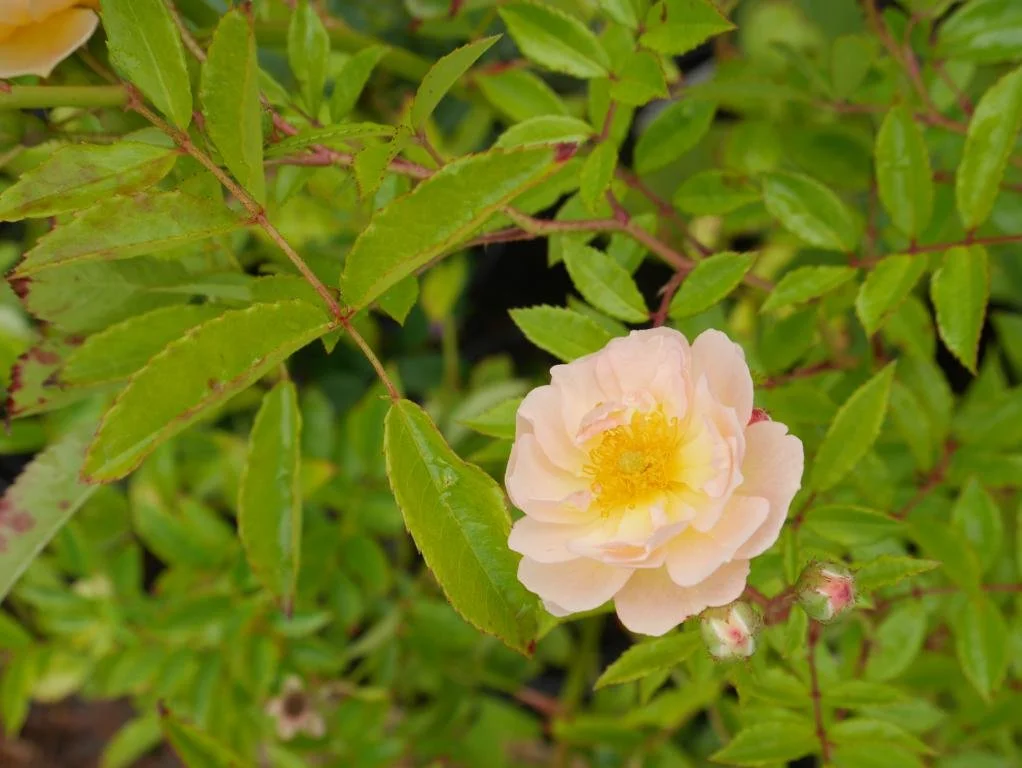
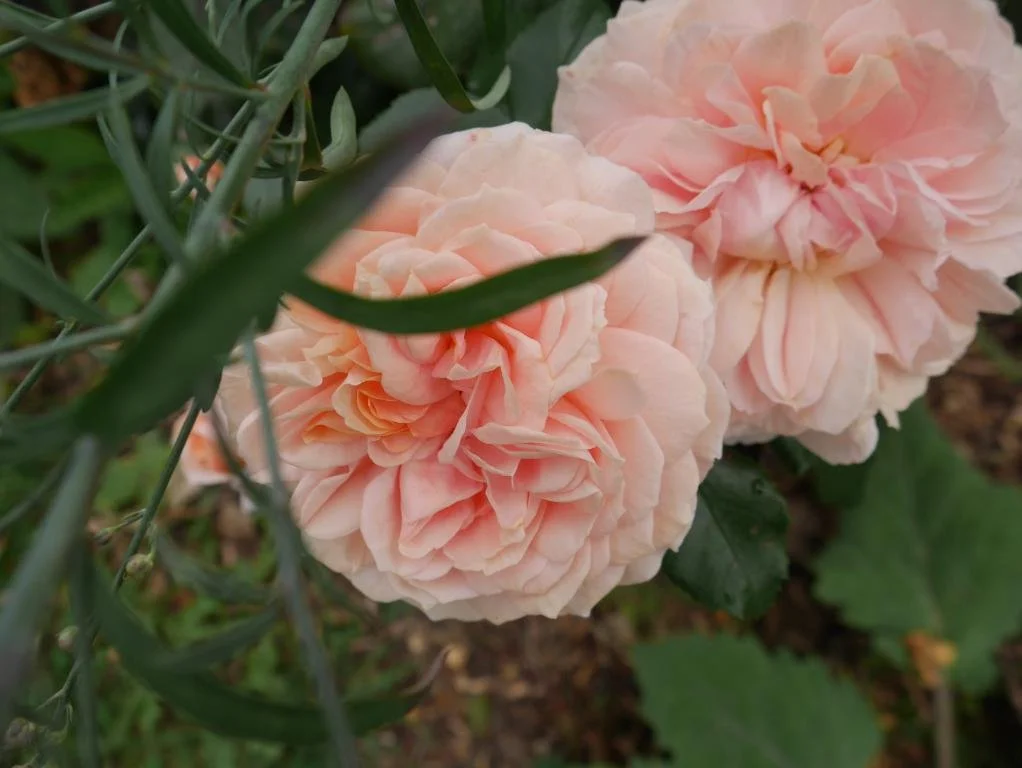
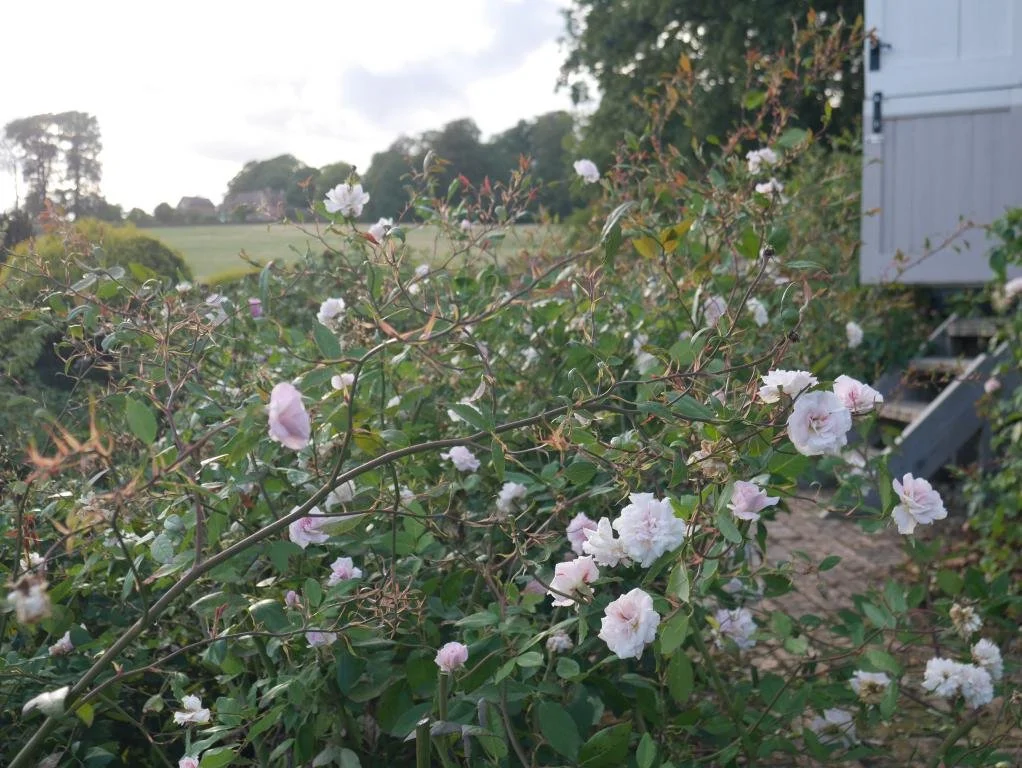
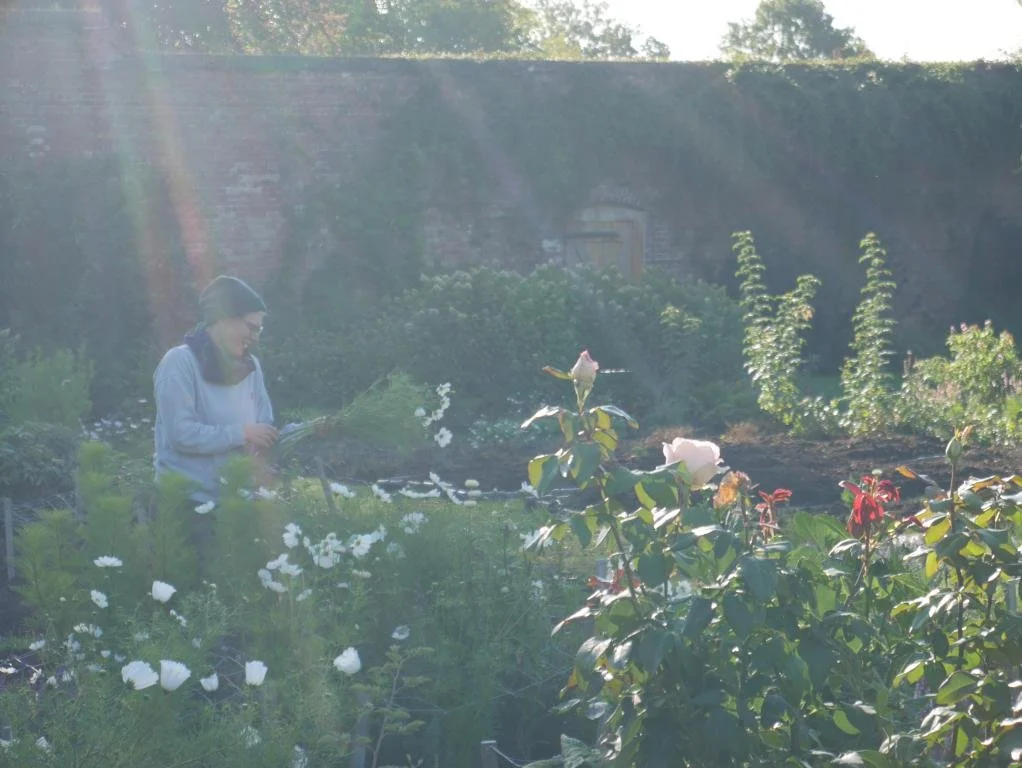
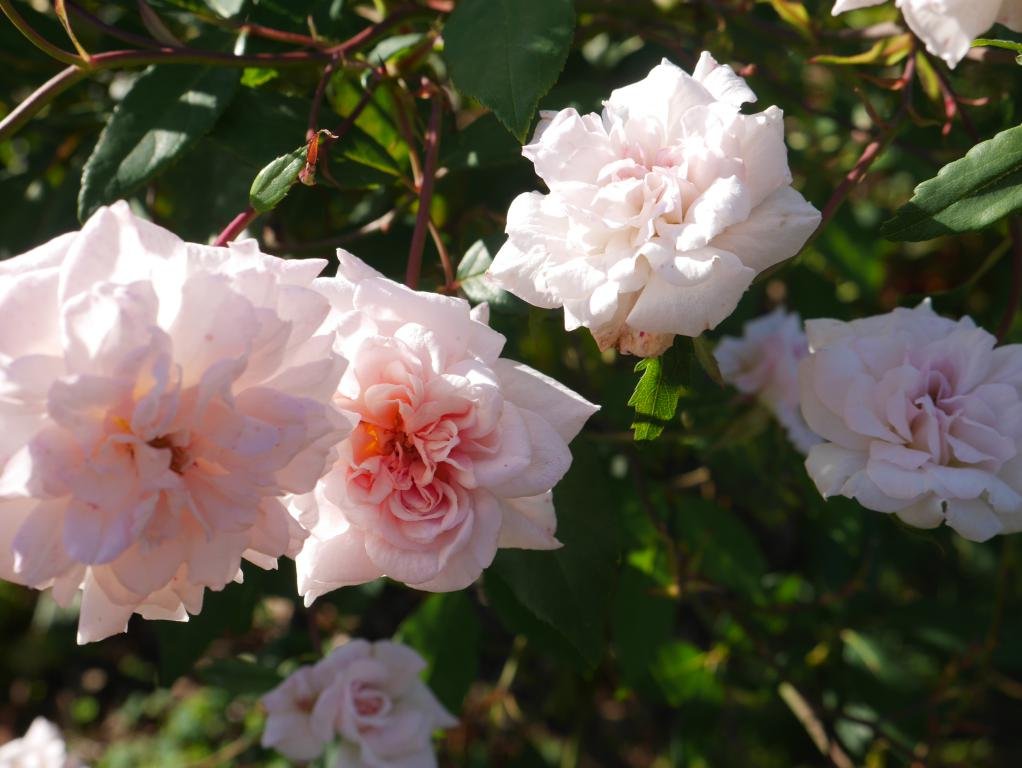
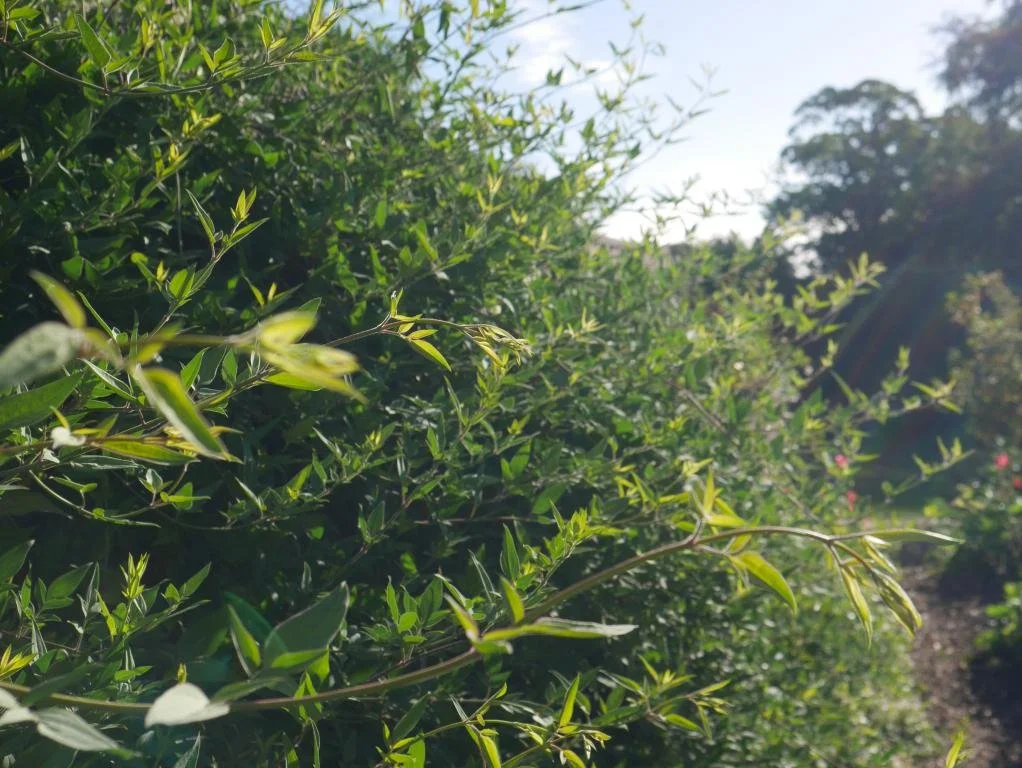
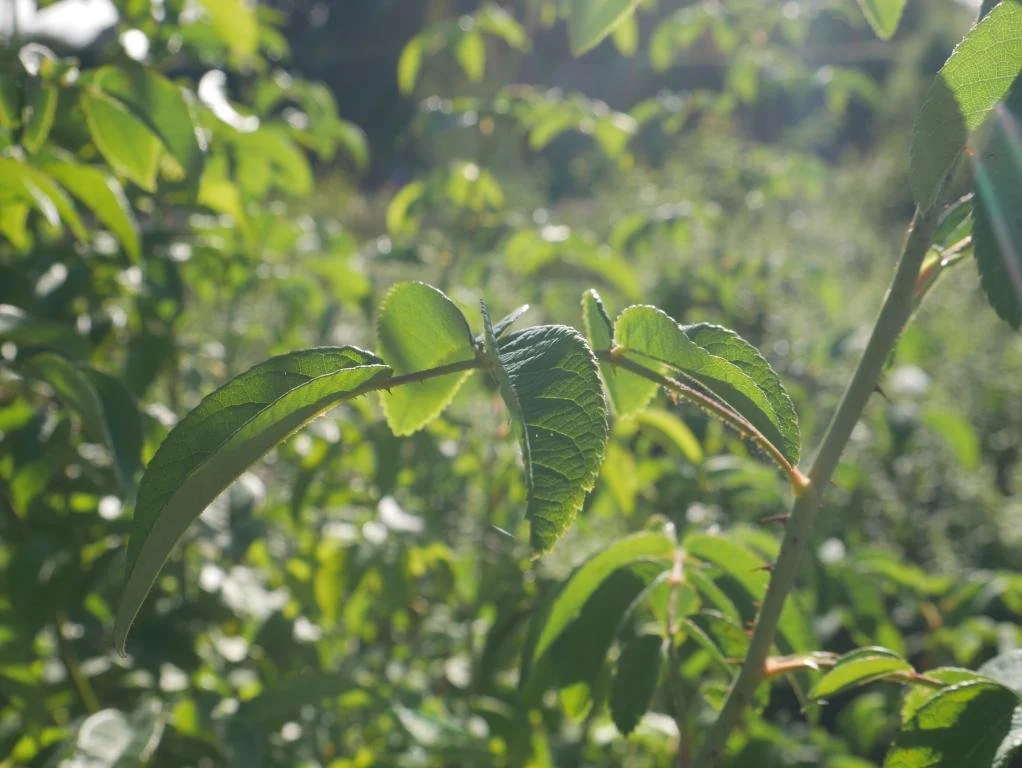
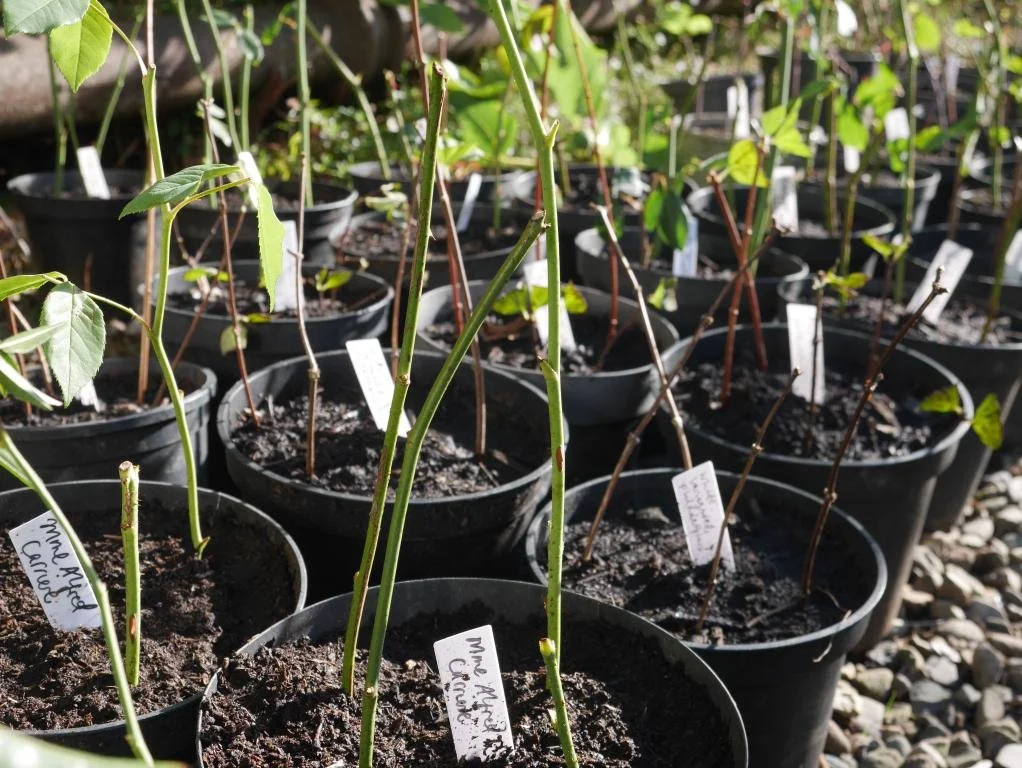
Oh joy of joys and an excellent excuse for us to greatly increase our stock: roses have simply thrived through the hot weather this year. There has been almost no disease - just a little rust on one or two of the older alba varieties, and mildew on some modern roses which are trying to grow underneath an apple tree - and the growth on almost all varieties has been lush and rampant. The second big flush of flowers, which usually comes in early September, arrived in mid August this year, which threw us a little, but the roses have just kept on flowering since then, and show no signs of slowing down. This week, along with getting a head start with the mulching, we’ve been taking cuttings of all our favourite rose varieties in order to increase our stock. Depending on the variety, we’ve found that roses grown from cuttings take between between three and five years to become mature enough for us to pick from them hard, so we will need to be patient! But we’ve been adding to our stock in this way each year for the last five or six years, and every year brings us new good things to harvest. This week we’ve also been propagating flowering currant, jasmine and philadelphus in this way: taking strong ripe fresh shoots, removing their leaves and trimming them to about a foot in length, with the bottom cut being made just below a leaf joint, then pushing them into pots of soil or compost and pressing the soil firmly down all around them. Then we leave the pots out of doors through the winter, and in the spring we shall see what has grown!